
cognitive-rehab
2017 · Team of 3 (1 programmer, 2 designers) · Built for a government healthcare institution
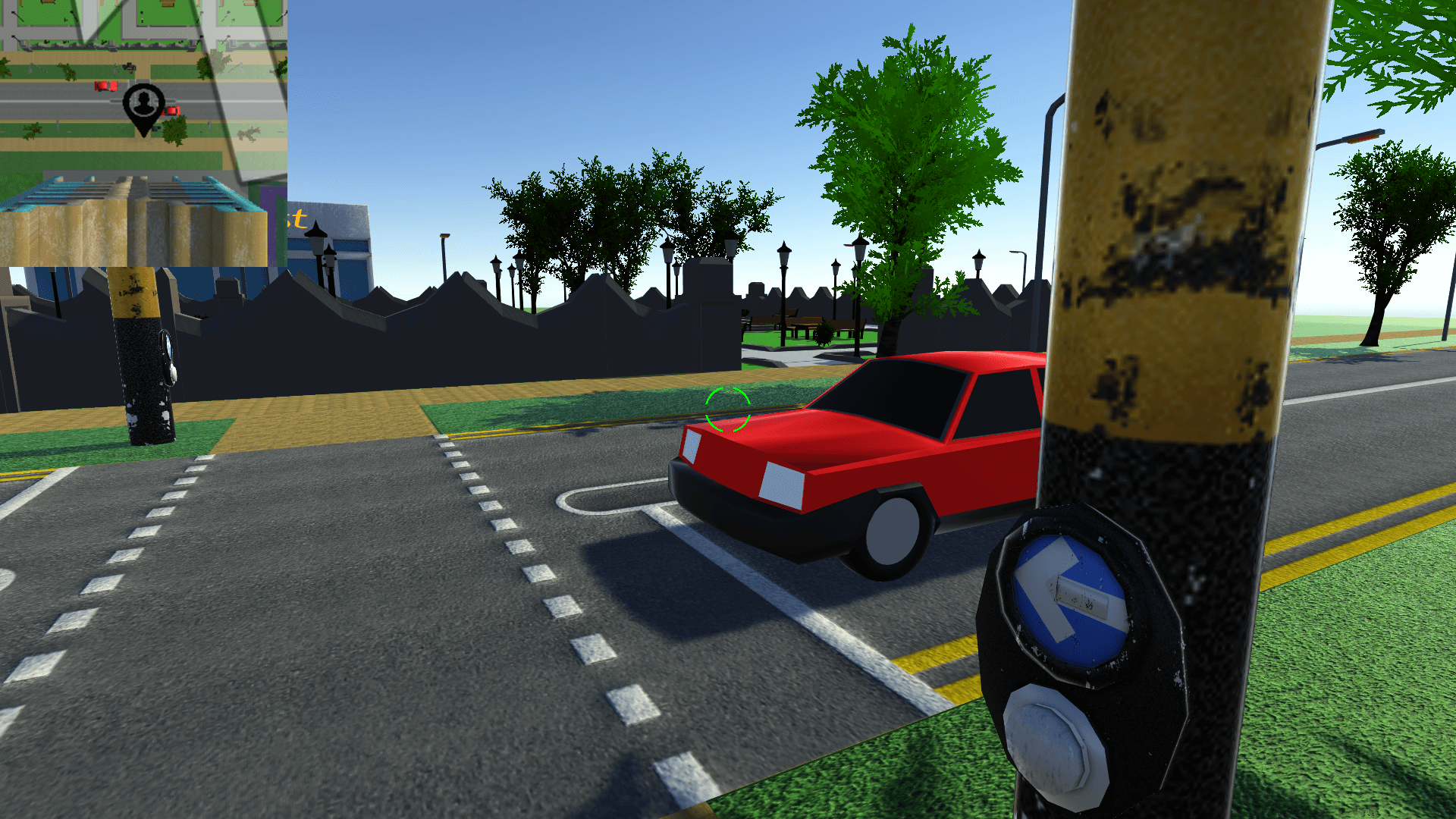
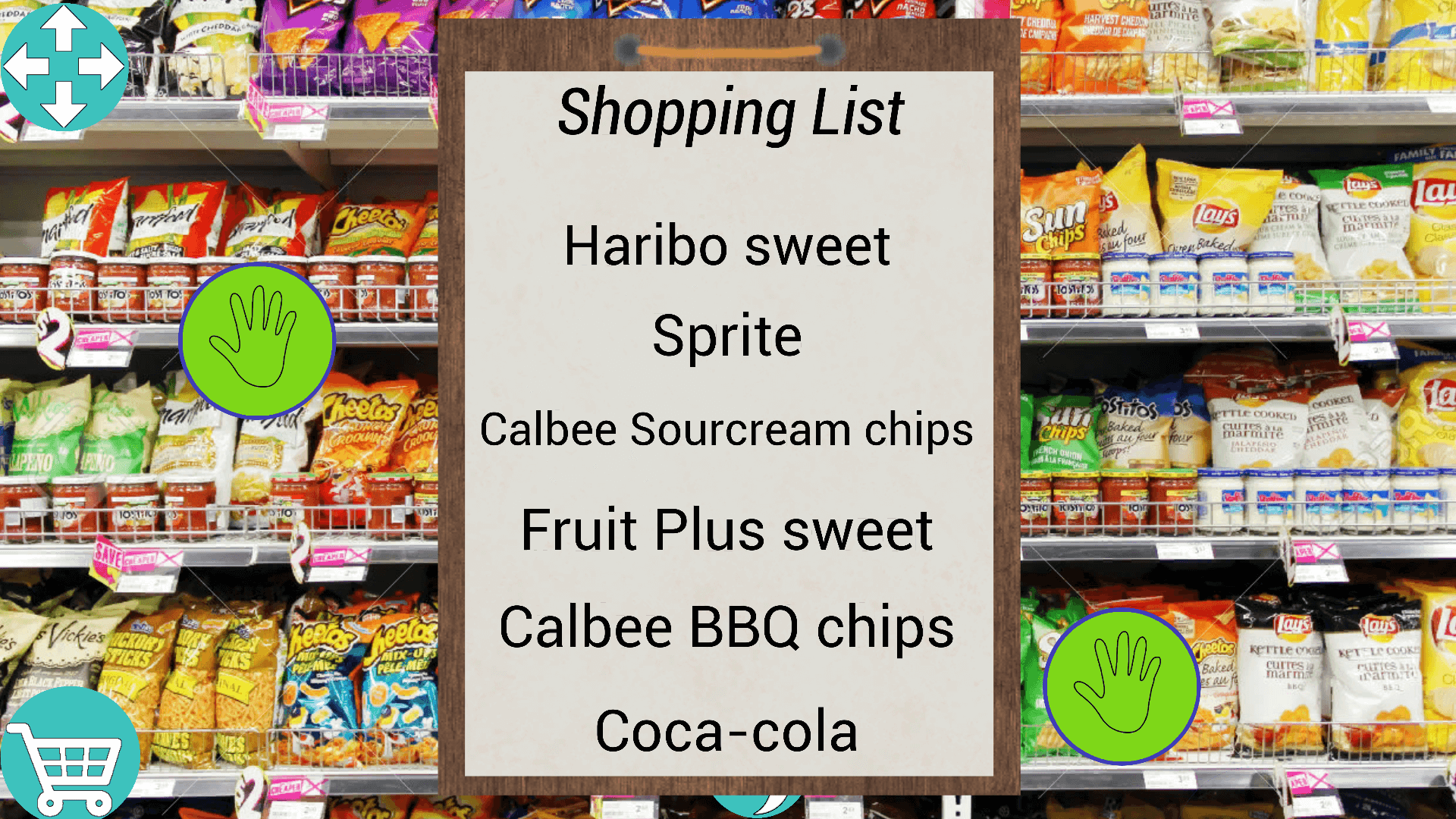
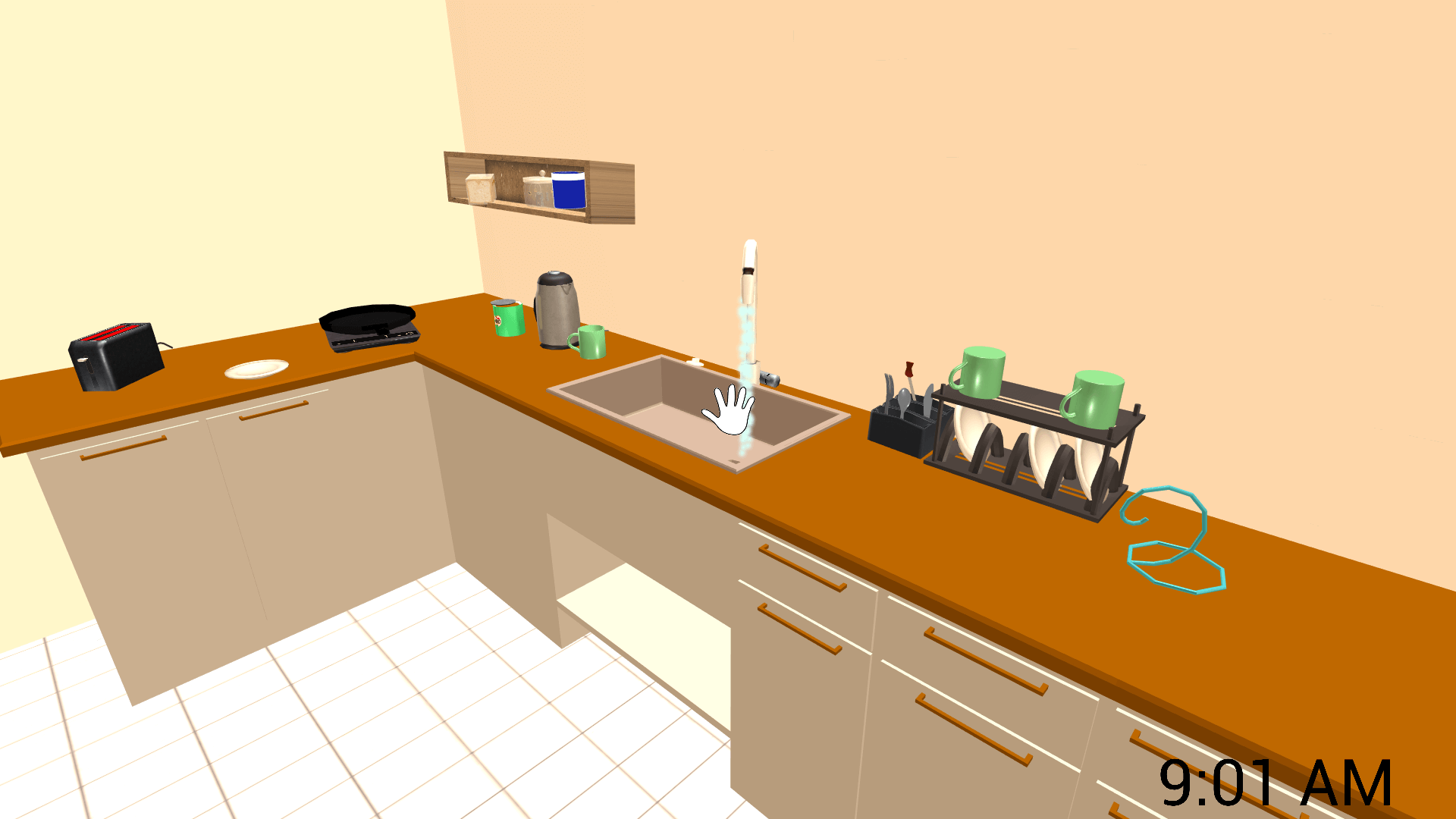
A serious game for cognitive rehabilitation, developed for a government healthcare institution and intended for clinical use rather than entertainment. Patients work through three simulated daily-living scenarios — meal preparation, supermarket shopping, and travelling — each exercising a different set of executive-function skills: sequencing, working memory, and wayfinding. The supermarket scenario, for example, hands the player a shopping list and asks them to navigate the aisles, identify the right products, and get them into the cart.
The whole thing was built to be operated by patients with no prior gaming experience — oversized on-screen movement, grab, and cart controls, and no reliance on genre conventions.
Role and responsibilities
Sole programmer on a three-person team. Everything in the project except the 3D models was mine:
- All gameplay and scenario code — the three scenario modes, task validation, and progression
- UI design and implementation, built around accessibility for non-gamers
- Sound effects and audio integration
Learning outcomes
- Building software for a real institutional client with clinical requirements, not a self-directed brief
- Accessibility-first UI design — large targets, unambiguous affordances, no hidden interactions
- Owning an entire codebase solo while coordinating with designers on scope and assets
- Translating therapy objectives into concrete, verifiable in-game tasks
Media
| File | Description |
|---|---|
misc/IMH 01.png |
Main menu — the three scenario modes |
misc/IMH 02.png – misc/IMH 04.png |
In-scenario screenshots, including the supermarket shopping-list task |